Jeju April 3rd Historic Sites
Jeju April 3rd Historic Sites List
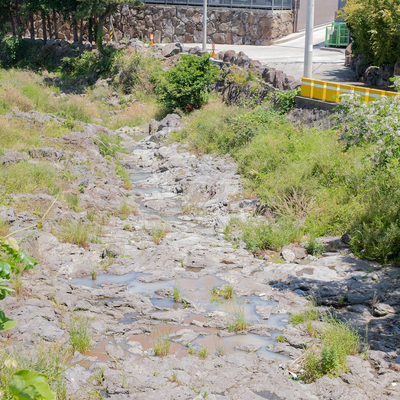
Bakseongnae
On December 21, 1948, over 100 residents of Jocheon-eup (town) were massacred here at Bakseongnae village in what is known as the “Surrender Incident.” This tragic event involved the mass shooting ...
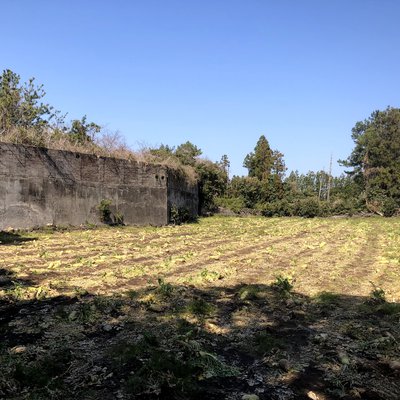
Beodeulmot
On December 22, 1948, 76 family members of fugitives from Gasi-ri, who had been held at Pyoseon Elementary School, were executed by state forces. The victims’ bodies were covered with dirt and lef...
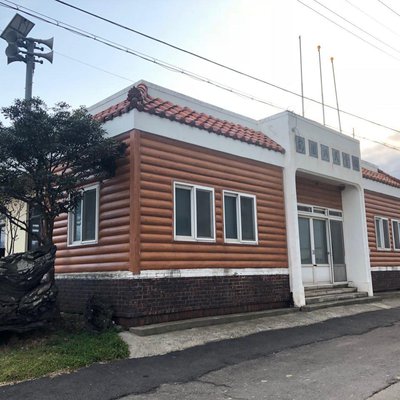
Bihak Hill
On 10 December 1948, 36 people, including villagers of Hakwon-dong and evacuees, were killed at Bihak Hill. On the day, three police officers tied a pregnant woman with rope and hanged her on the t...
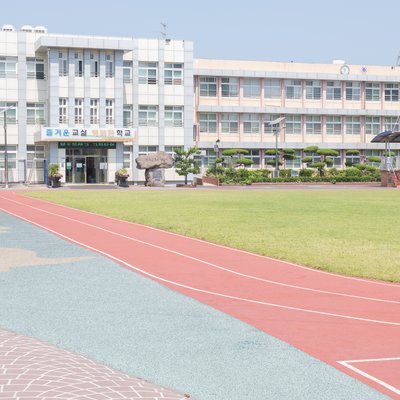
Buk Elementary School
On March 1, 1947, the 28th anniversary celebration of the March 1st Independence Movement took place at the schoolyard of Jeju Buk Elementary School. It was estimated that approximately 25,000 to 3...
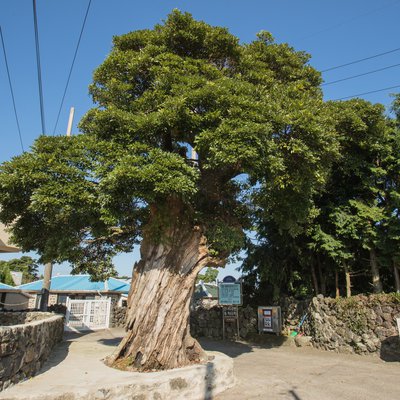
Bulkabunnang
On 21 November 1948, most houses in Seonheul-ri were burnt down during a severe crackdown. At that time, a nettle tree in the village was also burnt. It was thought that the tree was completely bur...
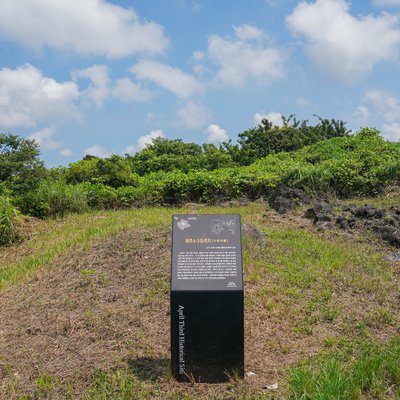
Darangshi Cave
11 villagers of Hado-ri and Jongdal-ri were hiding in Darangshi Cave and were found in 1948. The army found this cave and urged villagers to come out. Since they did not come out of the cave, the a...
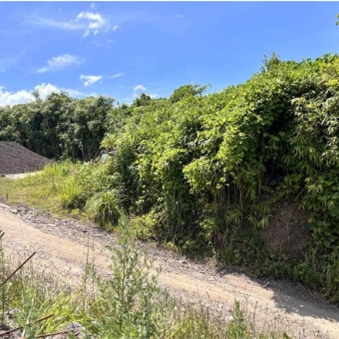
Dogonae-georeum
Until the village was destroyed during the April 3rd massacre, it was a small community where about ten households lived in harmony, making their living through farming and livestock raising. The v...
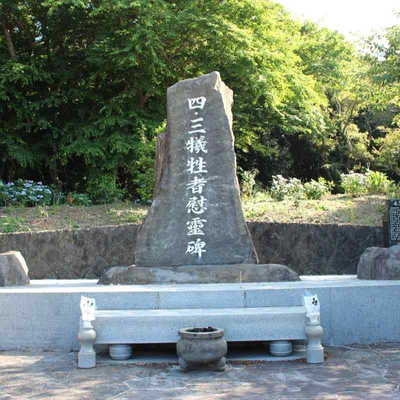
Donghoecheon April 3rd Victims Memorial Monument
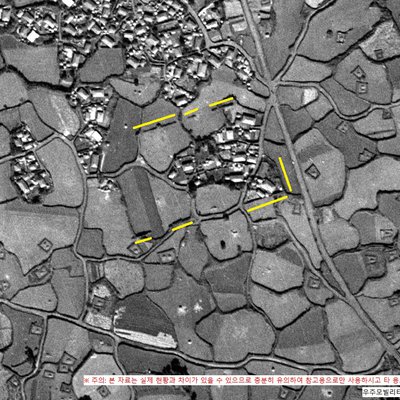
Doryeon 1-gu April 3rd Fortress
In Doryeon 1-gu, the site where the Public Hall and the suwoongyo building once stood was said to be the highest point in the area, so a defensive wall was built around it. According to the testimo...
Search
Are you looking for something? Try searching with some keywords.