Jeju April 3rd Historic Sites
Jeju April 3rd Historic Sites List
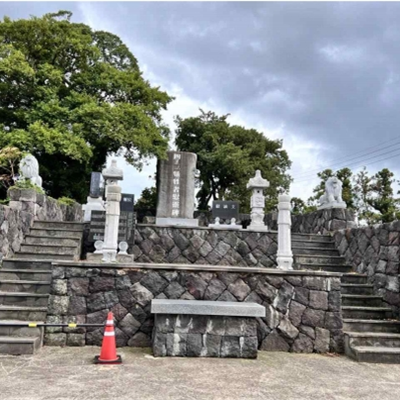
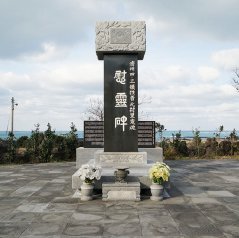
Memorial Monument for the Victims of the April 3rd in D...
The Doryeon 1-dong Association of Families of April 3 Victims was established on February 5, 2007, with the aim of restoring the honor of civilian victims, paying respects to their spirits, and act...
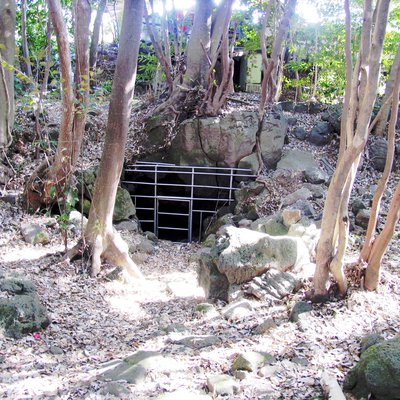
Moksimul Cave
On 21 November 1948, Seonheul-ri was burnt down and villagers hid in Moksimul Cave. Later, they were found and killed by the army. The 9th Regiment of Hamdeok started killing Seonheul villagers hid...
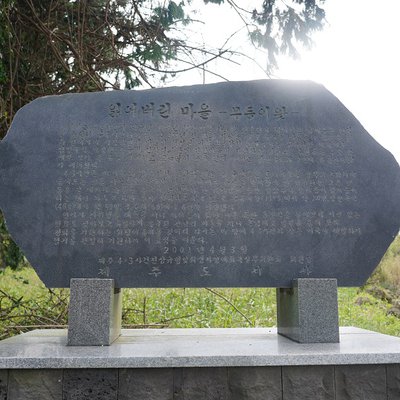
Mudeungyiwat
Mudeungyiwat is one of the villages devastated during the April 3rd Uprising and massacre. Around 100 residents of the village were tragically killed by a punitive expedition on November 21st, 1948...
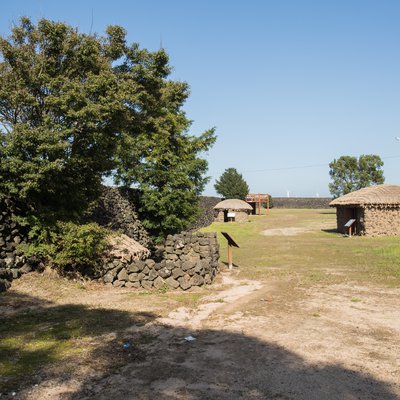
Nakseon-dong April 3rd Fortress
Lorem ipsum dolor sit amet, consectetur adipiscing elit, sed do eiusmod tempor incididunt ut labore et dolore magna aliqua. Ut enim ad minim veniam, quis nostrud exercitation ullamco laboris nisi u...
Neobeunsungee Memorial Hall
Bukchon was the most brutally attacked area during tha April 3rd Massacre, where approximately 500 villagers were killed by soldiers. At the Bukchon Neobeunsungee Memorial Hall, graves of young chi...
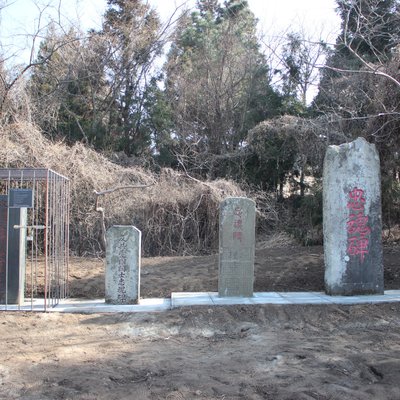
Park Jin-gyeong’s memorial stone etc.
-
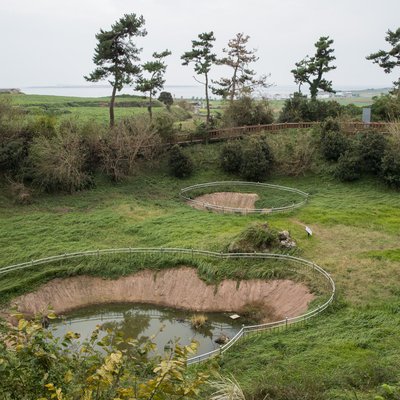
Seodal Oreum
Right after the Korean War broke out in 1950, preventive detention swept across Korea and Jeju was no exception. People who were identified as targets of preventive detention were dragged by soldie...
Si Oreum Station
The police station in Si Oreum was established in early 1950. At that time, around 25 stations were built at the major roads of mountains to block connection between armed resistance and villagers....
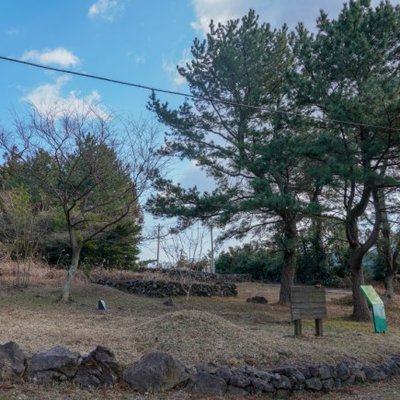
Songryeongigol
Songryeongigol is where the bodies of the armed resistance group were buried after losing their lives in the Uigwi Elementary School combat. On the day, 4 soldiers were killed while many more died ...
Search
Are you looking for something? Try searching with some keywords.